How to Start a Family Tree: A Gentle Beginner's Guide
Begin with what you already know — then confirm it gently with records.
Build your family tree and explore historical records, ancestry stories, and generations of your family heritage.

Why Explore Your Roots
Genealogy is not a race. It is a practice of patience — a way to honor the people who carried your name, your habits, and your features long before you arrived.
Trace your family back through generations using public materials, census schedules, and immigration manifests available in many community archives.
Capture voices, photographs, and traditions before they slip quietly out of memory.
Learn how to read census entries, draft cards, and vital records without feeling overwhelmed.
Share what you discover with children and grandchildren — and shape how a family remembers itself.
Interactive Family Tree
This is a visual sample tree using common North American naming patterns. Click or hover a person to see how details can unfold in your own research notes.
Historical Records
Records rarely tell a story by themselves — they hint. Learning each record type helps you cross-check dates, relationships, and migrations without guessing.

Snapshots of households across decades — names, ages, occupations, and origins.
Learn more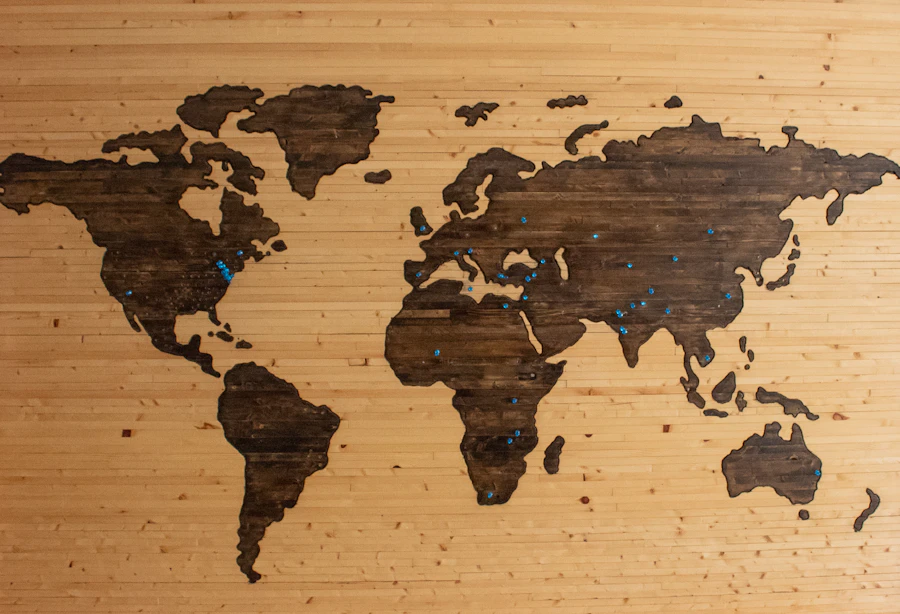
Ship manifests, naturalization paperwork, and border crossings — clues about movement and identity.
Learn more
Service files, pension applications, and draft cards — moments when history called your family by name.
Learn more
Vital records that anchor trees — beginnings, unions, and the families those unions created.
Learn moreFeatured Articles
Start where you are — with imperfect memories — and move outward one verified detail at a time.

Begin with what you already know — then confirm it gently with records.

Libraries and community archives remain some of the kindest places to learn.
Census sheets reward slow reading — neighbors can confirm identities.

Heritage includes language, recipes, faith traditions, and migration choices.
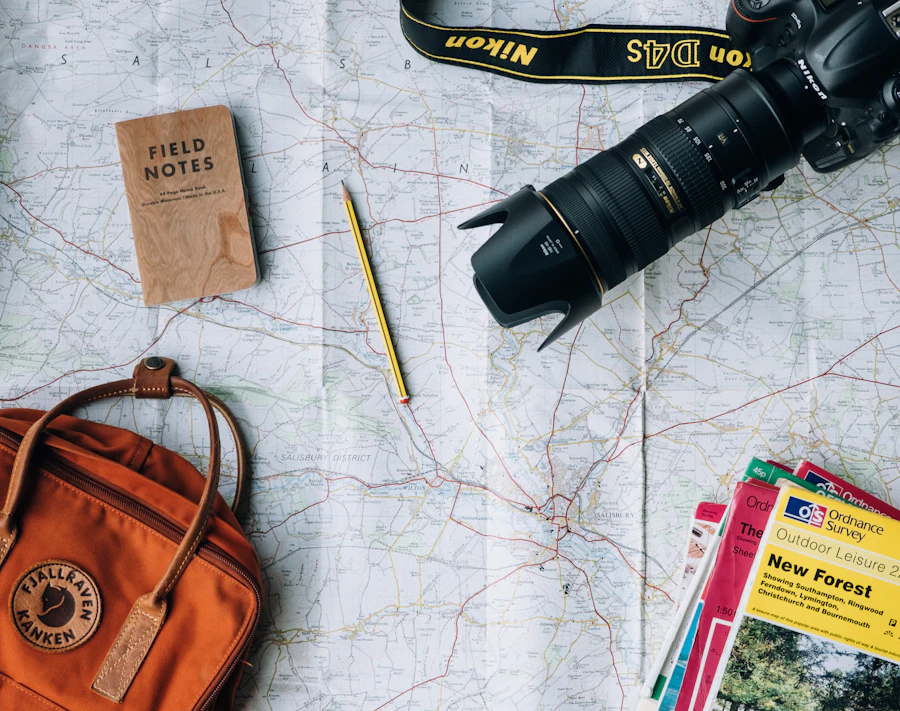
Follow the paperwork trail — spelling variants are normal, not mistakes.

Most trees go quietly wrong when speed replaces citations.
Readers' Reflections
These reflections are illustrative examples from readers — not verified endorsements or statistical claims.
“I started with a single photograph of my grandfather and a half-remembered village name. Month by month, I built a tree that feels grounded.”
“The guides felt calm — educational without pressure. That tone matters when you're learning something tender.”
“The census articles walked me through everything patiently. Finding my mother's household felt like solving a gentle puzzle.”
Common Questions
No. Many foundational records are available through public libraries and regional archives. Paid databases can help later — but they are not required to begin learning methodology.
It varies widely by location, record survival, language skills, and migration paths. Many families reach several generations with census and vital records; earlier periods often require specialized archives.
No. We publish educational articles and guides. Always verify details using the archives and repositories that hold original materials.
If you join an email list, we use your address only for that purpose unless we disclose otherwise. See our Privacy Policy for details.